
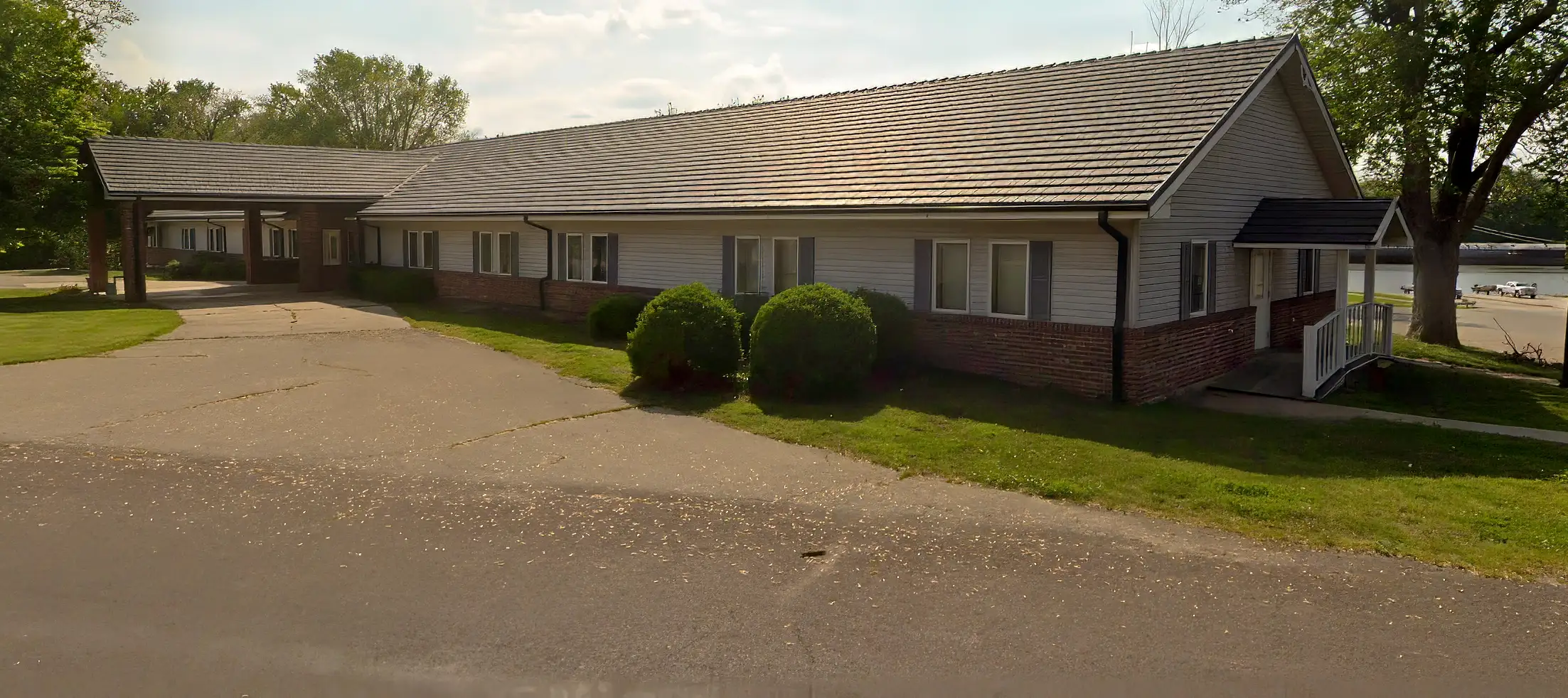
Structural modifications require more than good intentions — they require accurate data. For the Schrader structural assessment, Dane Construction partnered with TWG to capture precise existing conditions of the facility’s trusses using 3D laser scanning, giving the structural engineer a reliable Revit model to design from with confidence.
The Challenge
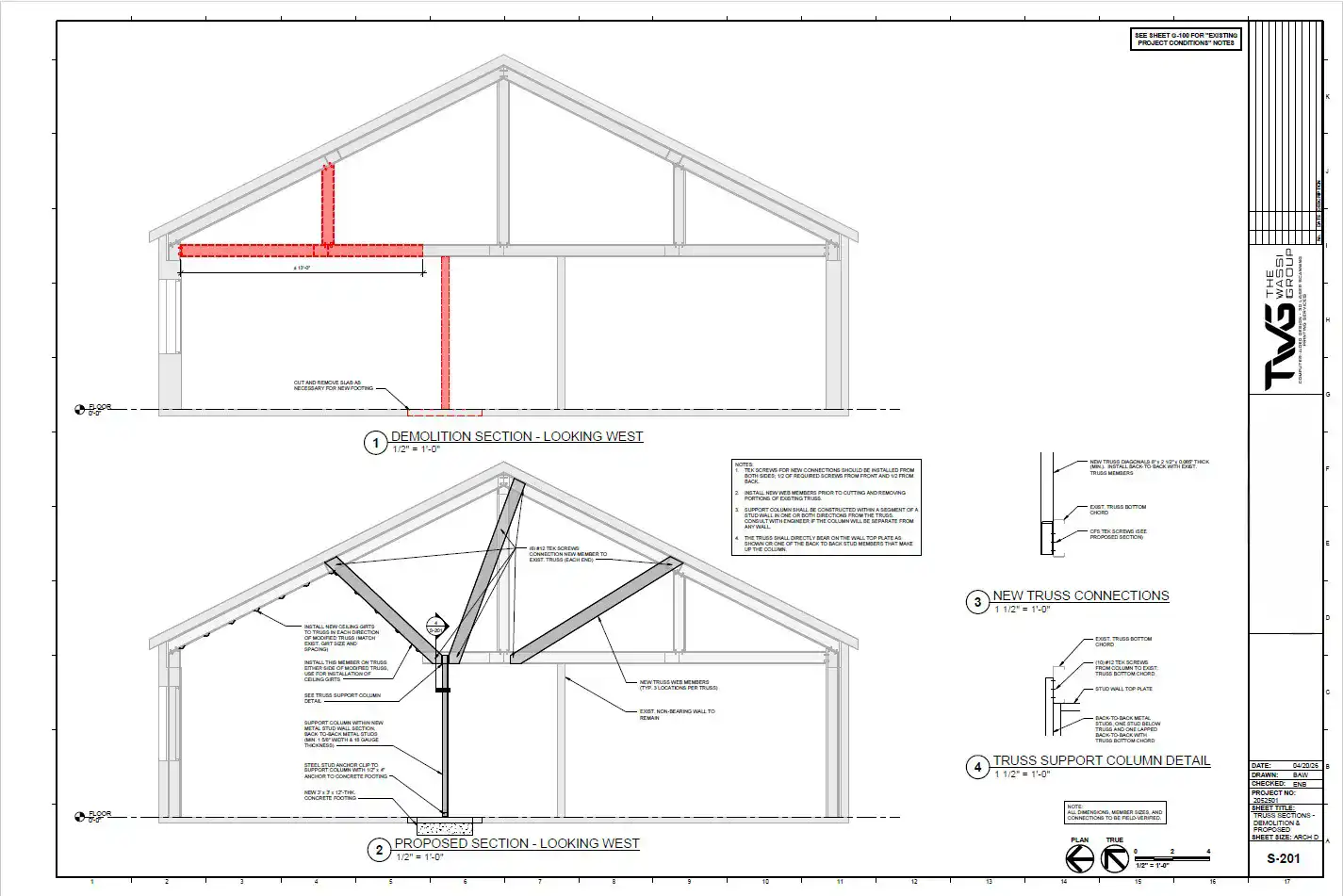
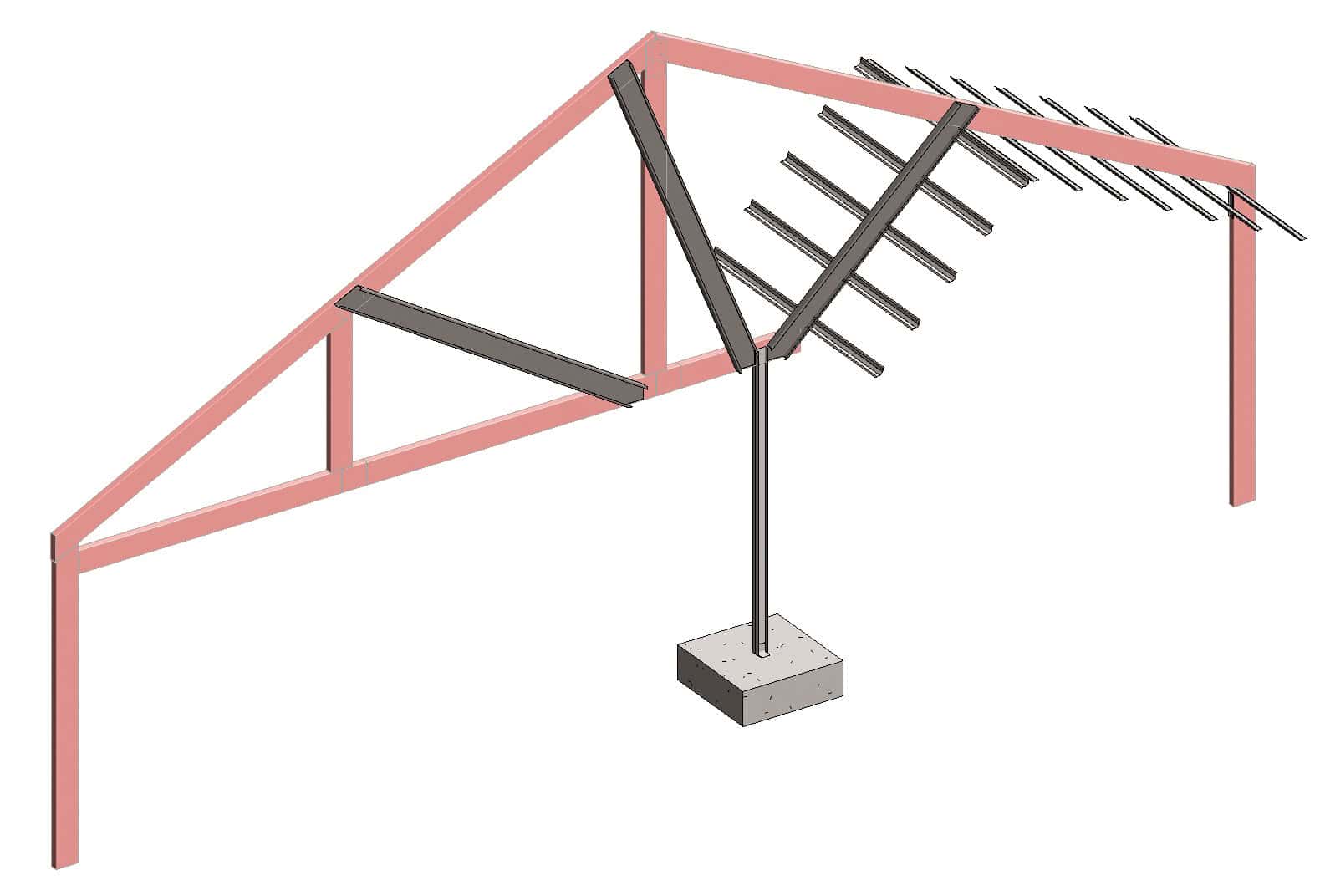
The project team needed to modify existing trusses to accommodate a taller ceiling — creating space for new golf simulation screens. Before the structural engineer could begin redesigning, the team needed a precise understanding of the existing structure.
Manual measurement of existing trusses is time-consuming and prone to error — particularly in complex overhead environments where access is limited. Without accurate structural data, any design work carried significant risk of conflict with real field conditions.
TWG’s Approach
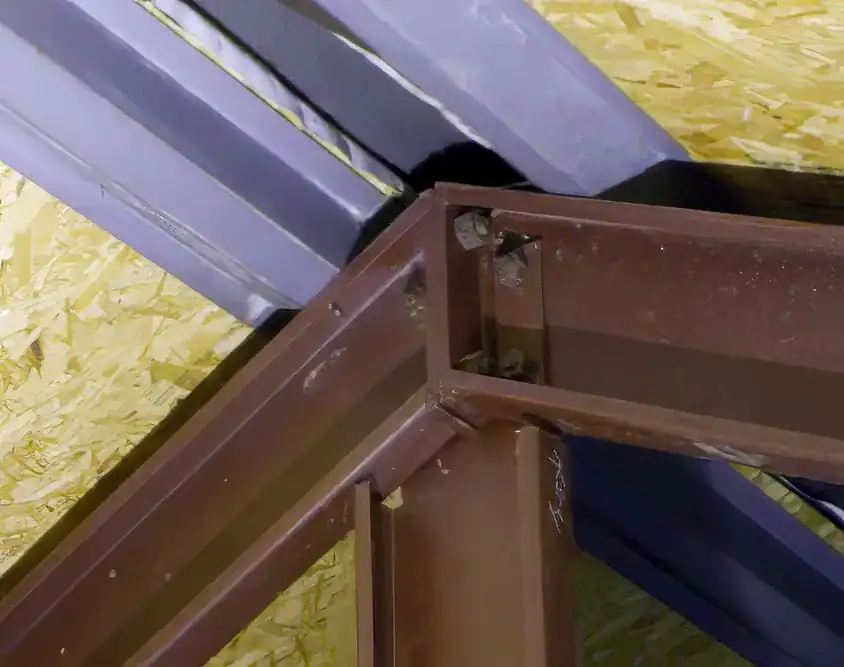
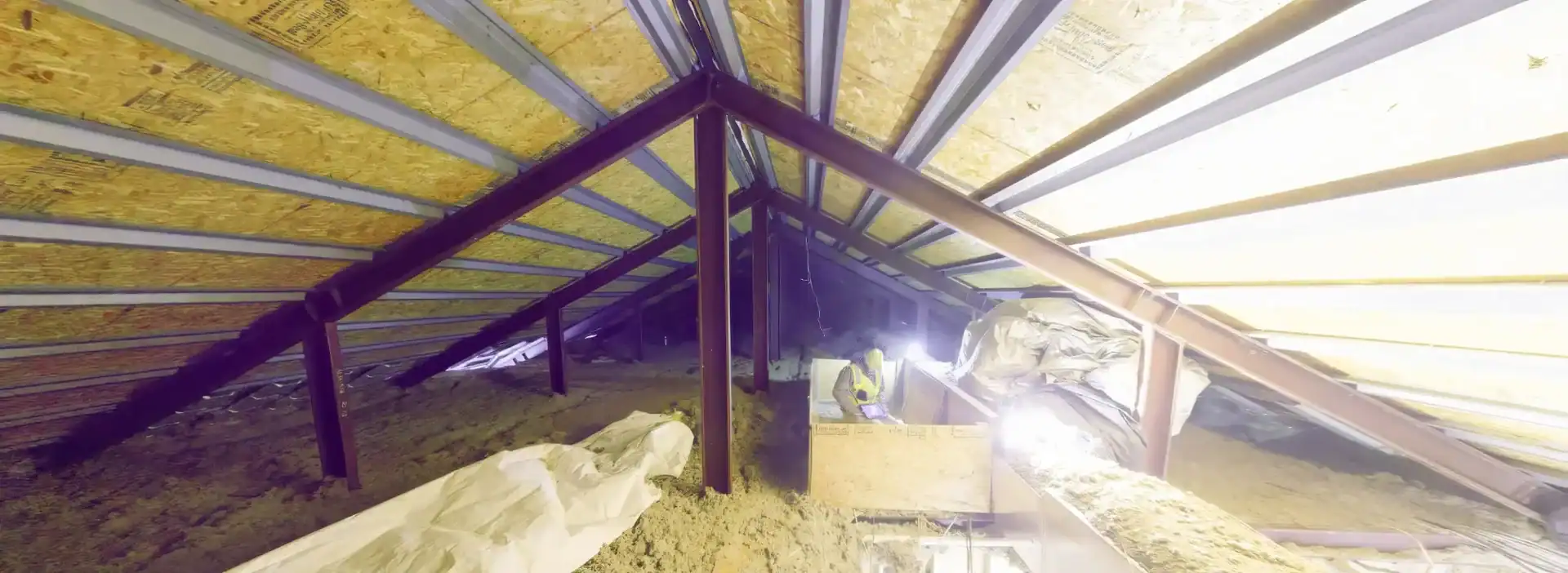
TWG deployed the Leica RTC360 to capture a detailed 3D laser scan of the facility, with a focused emphasis on the existing truss geometry and structural conditions. From there, TWG’s drafting team converted the point cloud data into a clean, accurate Revit model that reflected the true existing conditions of the space.
As a result, the structural engineer had a precise digital model to work directly from — identifying which trusses required modification and designing the changes needed to achieve the desired ceiling height.
What TWG Delivered
- 3D Laser Scan (Leica RTC360): Captured precise existing conditions of the facility with a focused emphasis on truss geometry and structural layout.
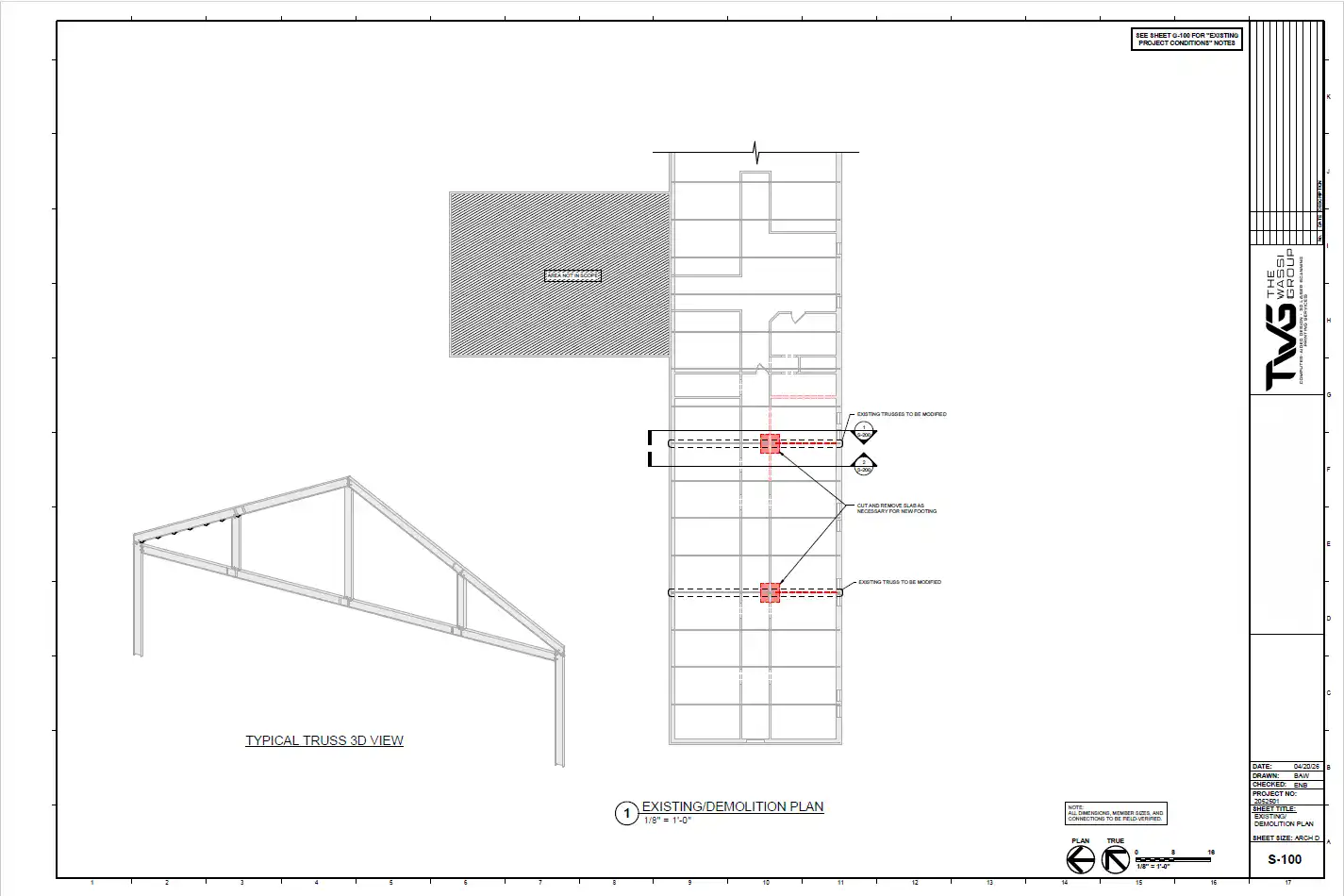
- Revit Model: Converted point cloud data into a clean, accurate digital model reflecting true existing structural conditions.
- Existing Conditions Documentation: Delivered a reliable foundation for the structural engineer to design truss modifications with accuracy and confidence.
The Outcome
With accurate existing conditions data in hand, the structural engineer successfully identified the trusses requiring modification and designed the changes needed to achieve a taller ceiling height. The golf simulation screens could be accommodated as planned — without costly field conflicts or mid-project surprises.
Specifically, the precision of the Revit model gave the engineering team the confidence to move forward with structural changes that would have been far riskier to design from manual measurements alone.
Why Accurate Existing Conditions Matter for Structural Work
Structural assessments and modifications depend entirely on the accuracy of the data the engineering team works from. Together, 3D laser scanning and Revit modeling give structural engineers a level of precision that traditional field measurement simply cannot match. For project teams, that precision translates directly into:
- Structural designs grounded in verified existing conditions
- Reduced risk of field conflicts during construction
- Faster, more confident engineering decisions
- Documentation that supports every phase of the project from design through completion
Structural Work Starts with Accurate Data — Let’s Get You There.
When structural modifications are on the table, the quality of your existing conditions documentation directly impacts the quality of every decision that follows. At The Wassi Group, we use 3D laser scanning and precise Revit modeling to give structural engineers and contractors the accurate foundation they need to design and build with confidence — throughout Central Illinois and beyond. Interested in what we do? We’d love to talk!