
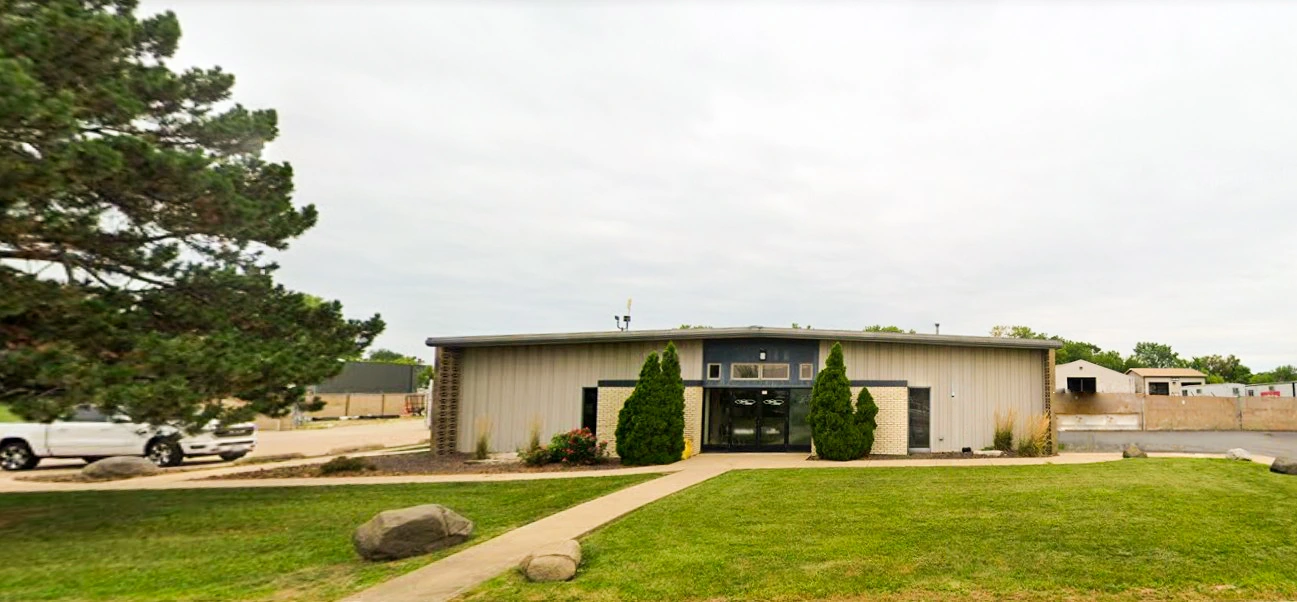
When PIPCO needed to plan new system additions at ICC PAC, they faced a challenge familiar to many mechanical contractors: the existing piping and ductwork in the mechanical room wasn’t fully documented. Before any decisions could be made about where to tie into existing systems or how to route new ones, the team needed an accurate picture of what was already in place. That’s where mechanical room laser scanning came in.
The Challenge
Mechanical rooms are dense, complex spaces. Pipes and ductwork layer over each other, run in multiple directions, and often reflect years of additions and modifications that never made it back into the drawings. Trying to plan new system tie-ins and routing from memory or outdated documentation is a recipe for conflicts — costly clashes that surface during installation and require expensive rework.
PIPCO needed verified existing conditions data for the ICC PAC mechanical room before planning could begin. Without it, any routing decisions carried real risk of running into something that wasn’t accounted for.


TWG’s Approach
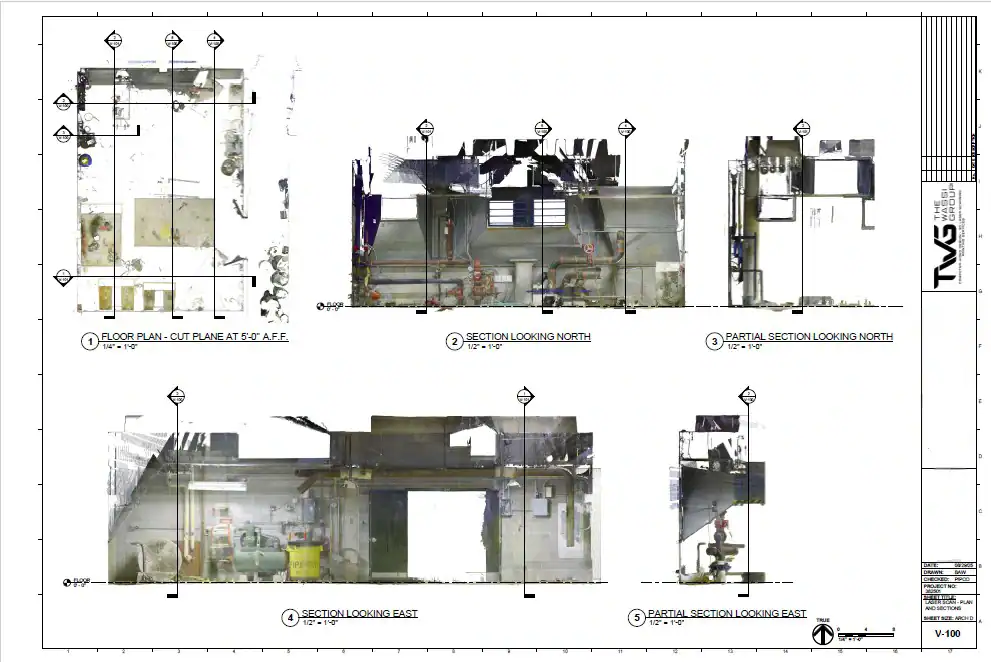
TWG’s team conducted an on-site laser scan of the mechanical room using the Leica RTC360, capturing the full geometry of the space — including all existing piping, ductwork, and structural elements — with high-accuracy point cloud data.
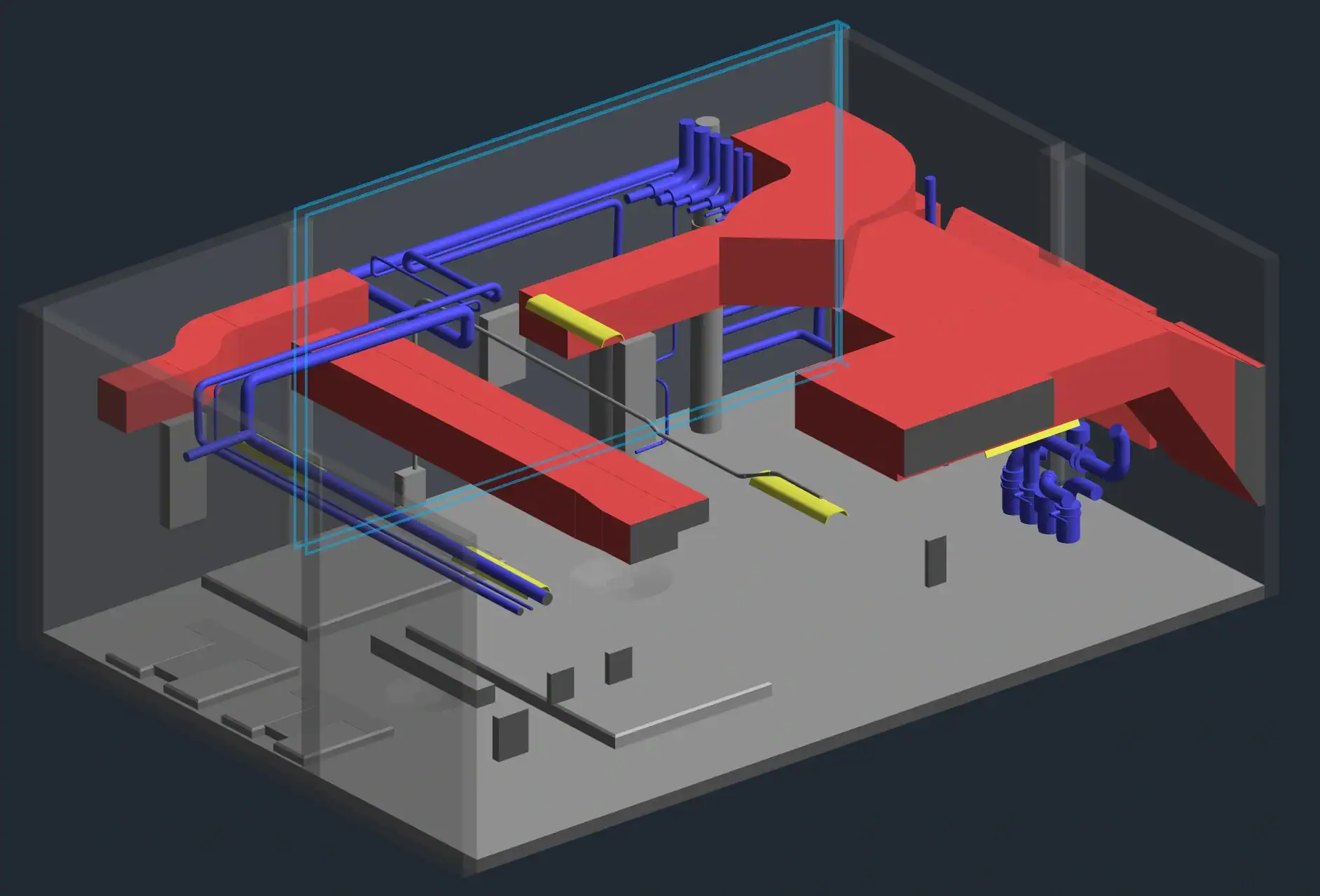
That scan data was processed and registered in Cyclone360, producing a clean, survey-grade point cloud of the room as it actually exists. From there, TWG used the point cloud as the foundation for a coordinated Revit model, accurately representing every existing system in its true position within the space. Construction-ready sheets were then generated directly from the model.
What TWG Delivered
- Coordinated Revit model of all existing piping and ductwork in the mechanical room
- Accurate spatial relationships between systems captured and modeled
- Construction-ready sheets generated from the Revit model
The Outcome
PIPCO walked away with a verified Revit model of the ICC PAC mechanical room — one that accurately reflects what’s in place and gives their team the spatial clarity needed to plan confidently. With existing conditions documented, the team could identify tie-in points, route new systems around existing ones, and make installation decisions without guessing. The risk of costly field clashes was significantly reduced before any new work began.
Why It Matters
Mechanical system planning without accurate existing conditions data is one of the most common sources of preventable rework in construction and renovation. When teams don’t know exactly where pipes and ductwork run — or how they relate to each other in three dimensions — conflicts get discovered in the field, where fixing them is far more expensive than avoiding them in the first place.
3D laser scanning changes that equation. By capturing what’s actually in a space before planning begins, mechanical contractors and facility teams can make routing decisions with confidence, coordinate new work around existing systems, and move into installation knowing the plan reflects reality. TWG’s scan-to-BIM workflow — from RTC360 capture through Revit model delivery — gives teams exactly that foundation.
Ready to Document Your Space?
We work with architects, contractors, and project teams throughout Central Illinois and beyond — and we genuinely love what we do. Whether your project calls for 3D laser scanning, CAD drafting, or photorealistic renderings, our goal is always the same: give your team accurate, reliable documentation you can build from. Interested in what we do? We’d love to talk!