
Tag: construction documentation
-
The True Cost of Existing Conditions Documentation — And Why It Pays for Itself
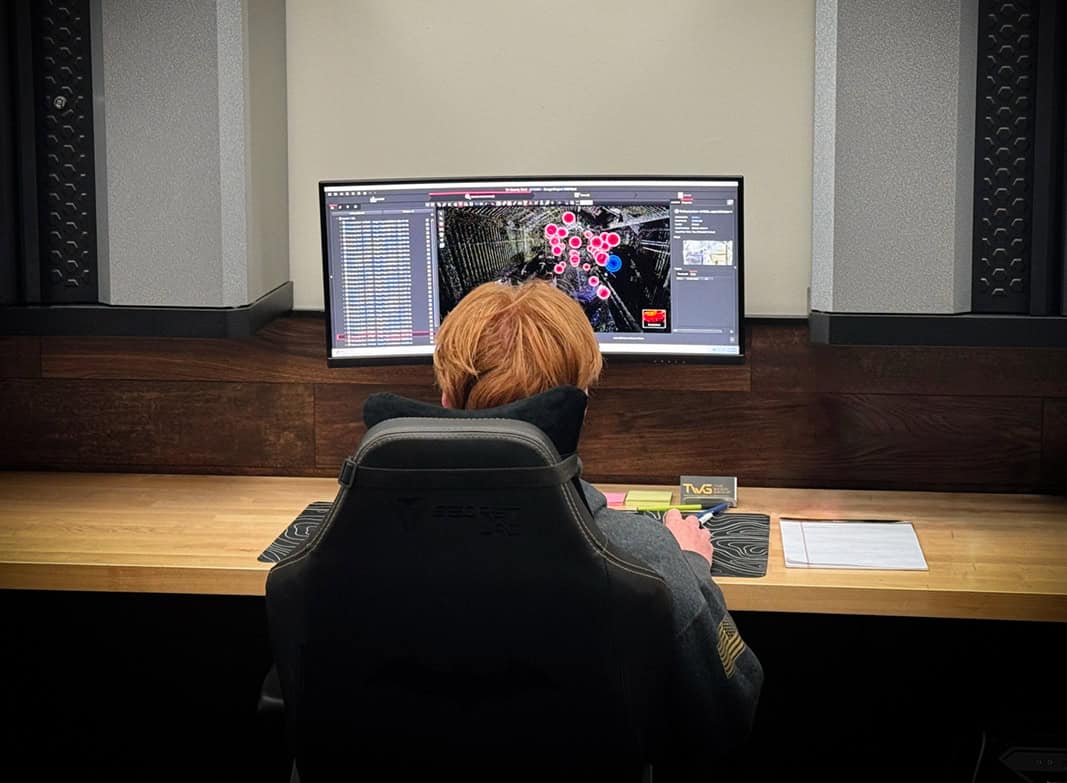
Renovation projects operate on thin margins. Schedule delays cascade into budget overruns. Construction conflicts that could have been caught during design become expensive field problems. Inaccurate or incomplete existing conditions documentation — guesswork about what’s actually in the building — creates the conditions where these problems emerge. The question most project managers ask isn’t “Should…
-
What Is Revit Modeling and Why Do Architects Use It?
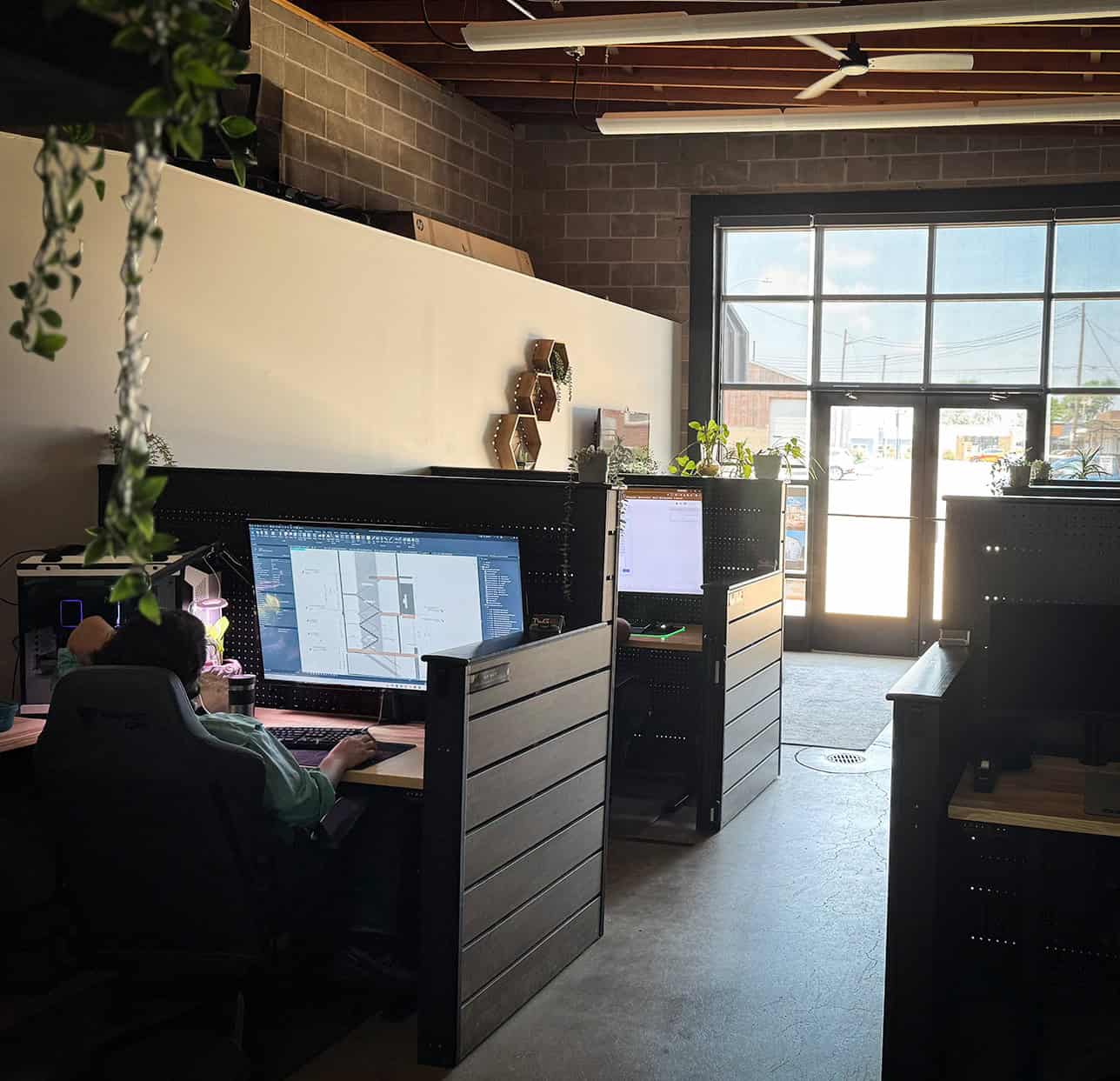
Revit is design software that transforms how architects, engineers, and contractors collaborate on a project. Instead of separate, disconnected drawings that can easily drift out of sync, Revit builds one unified model where every element—walls, doors, mechanical systems—lives in the same digital space. Change a wall in one view, and it updates everywhere that wall…
-

When Do Construction Projects in Illinois Need Professional CAD Services?
If you’re planning a construction project in Illinois and wondering whether professional CAD drafting is worth it — you’re asking exactly the right question. The answer depends on your project type, your timeline, and how much risk you’re willing to carry into the field. This post breaks it down clearly. By the end, you’ll know…
-
What Is Architectural Drafting — and What Should It Do for Your Project?
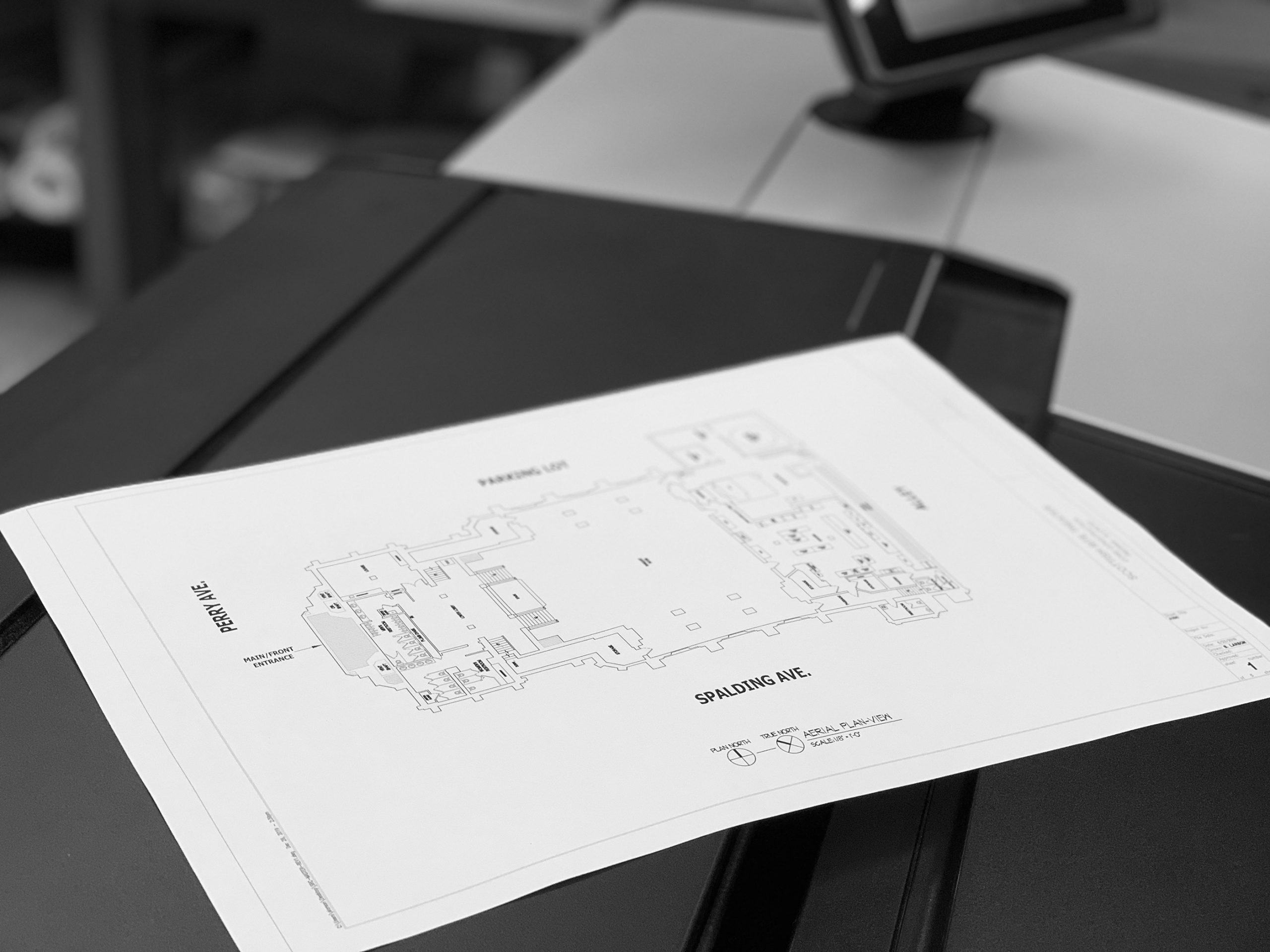
Architectural drafting is the process of translating a building’s design into technical drawings — the plans, elevations, and details that tell a contractor exactly how something should be constructed. Every project, from a small renovation to a new industrial facility, depends on drawings like these to move from concept to construction. The quality of those…
-
What Are As-Built Drawings — And How Do They Differ From Existing Conditions Documentation?
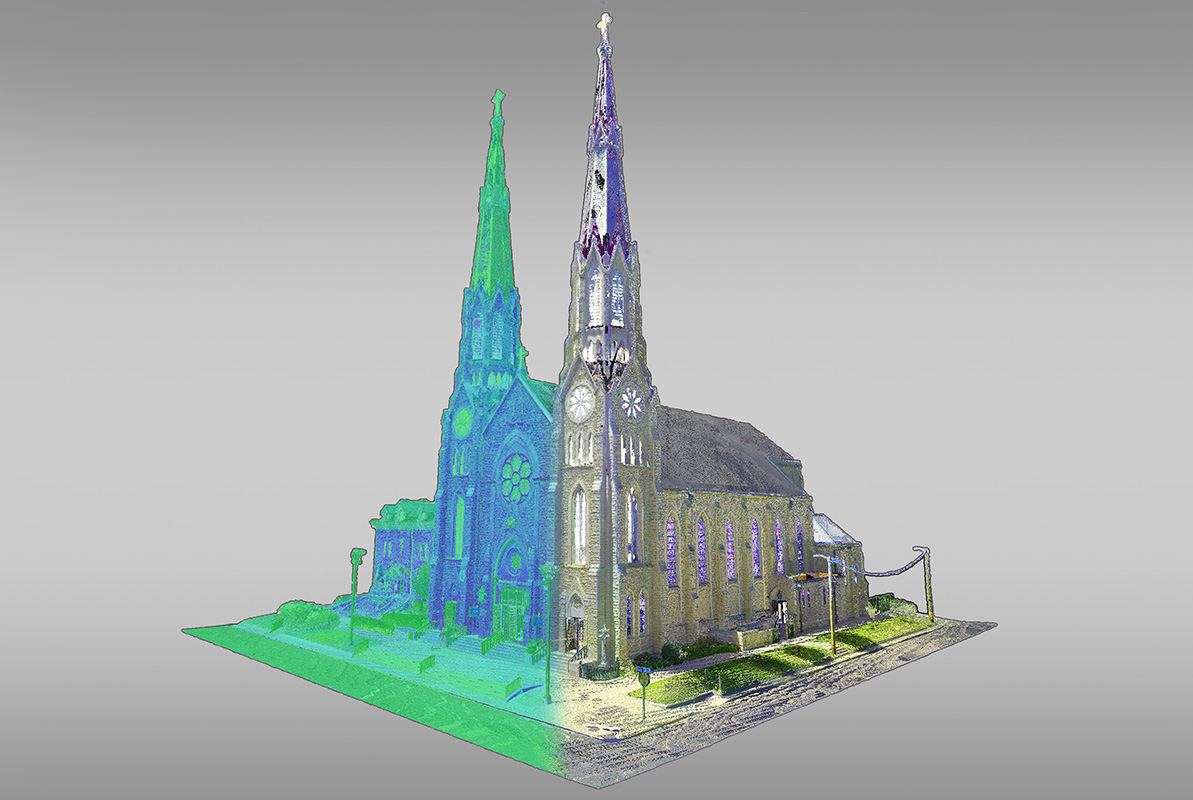
As-built drawings are one of the most commonly referenced documents in construction. The term also gets confused regularly with “existing conditions documentation” — a related but fundamentally different type of deliverable. Both are services TWG provides. Both serve important purposes for project teams and building owners. However they serve different moments in a project’s lifecycle…