
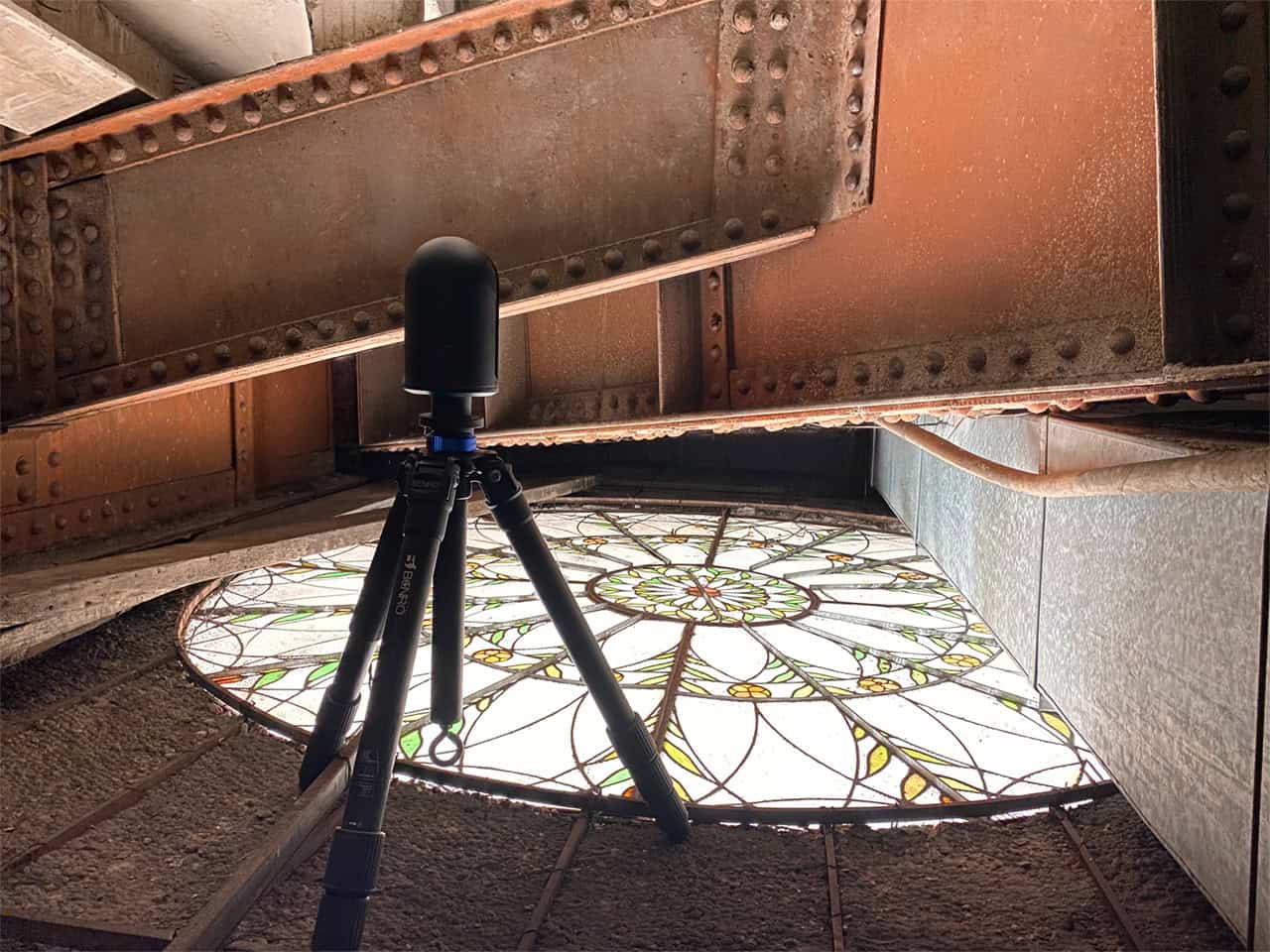
In construction, precision is critical. From early design through renovation and quality control, knowing exactly what’s on-site can be the difference between a smooth project and costly rework. As a result, contractors, architects, and engineers are turning to 3D laser scanning for construction to improve project outcomes.
At The Wassi Group, we use advanced LiDAR scanning technology to deliver accurate existing conditions documentation — ensuring that every measurement is captured, modeled, and delivered with confidence.
What Is 3D Laser Scanning in Construction?
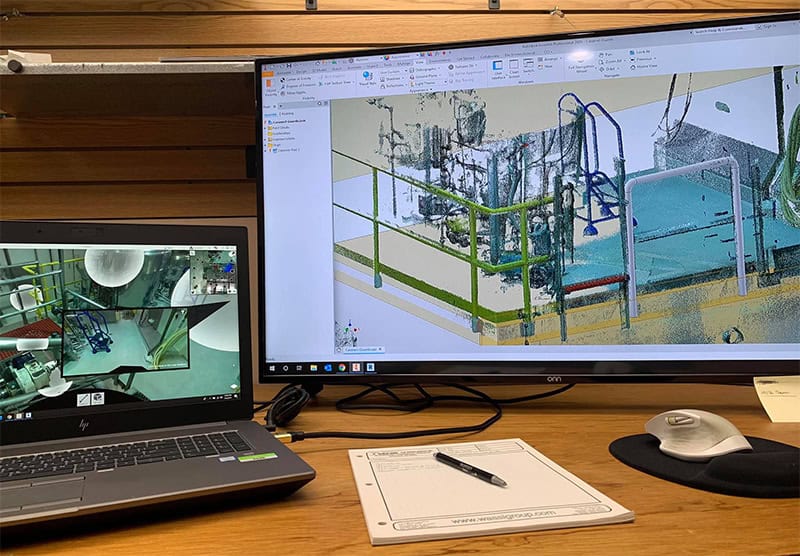
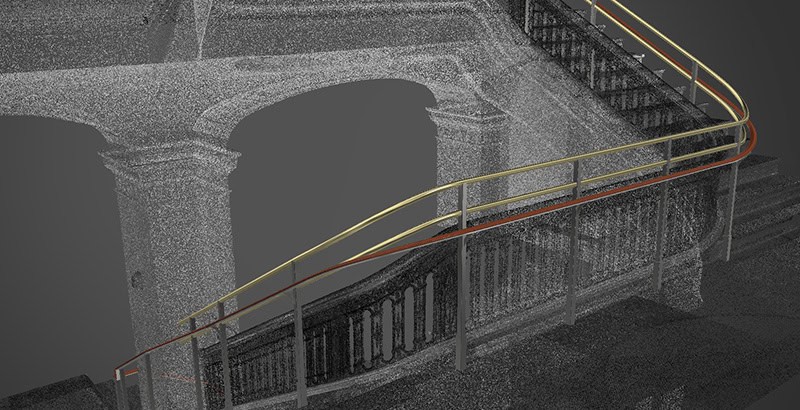
3D laser scanning is a non-invasive method of capturing the precise dimensions and layout of a building or job site. Using LiDAR (Light Detection and Ranging), we collect millions of spatial data points called a point cloud. Together, those points form a detailed 3D digital record of existing conditions.
These scans eliminate guesswork and reduce human error. They also provide a dependable foundation for:
- Existing conditions documentation
- As-built drawings
- BIM (Building Information Modeling)
- Construction site documentation
Our Proven 3D Laser Scanning Process
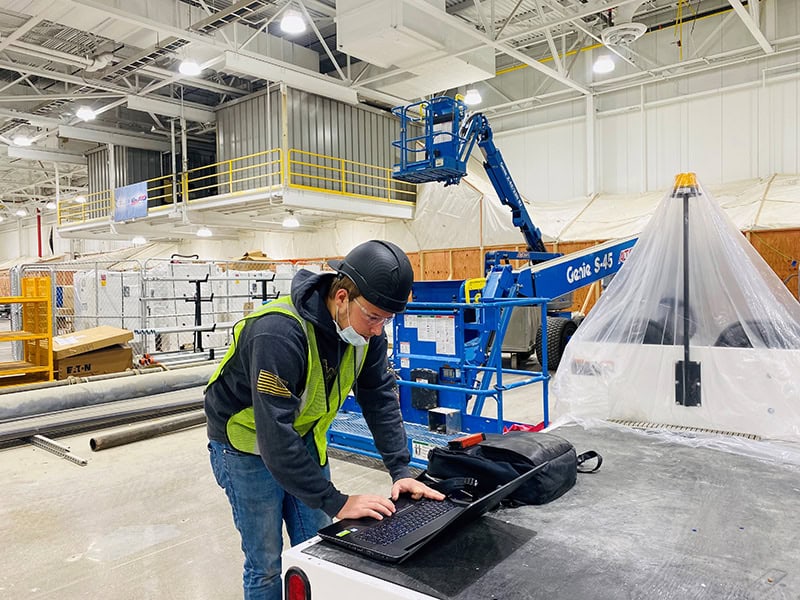
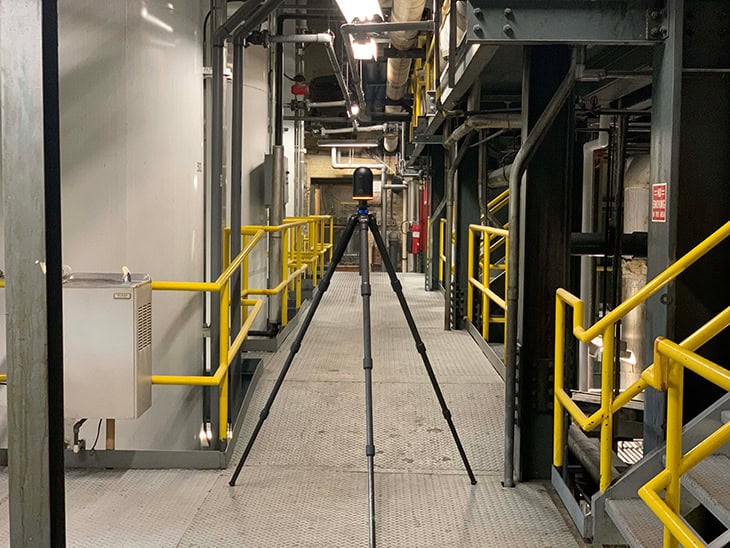
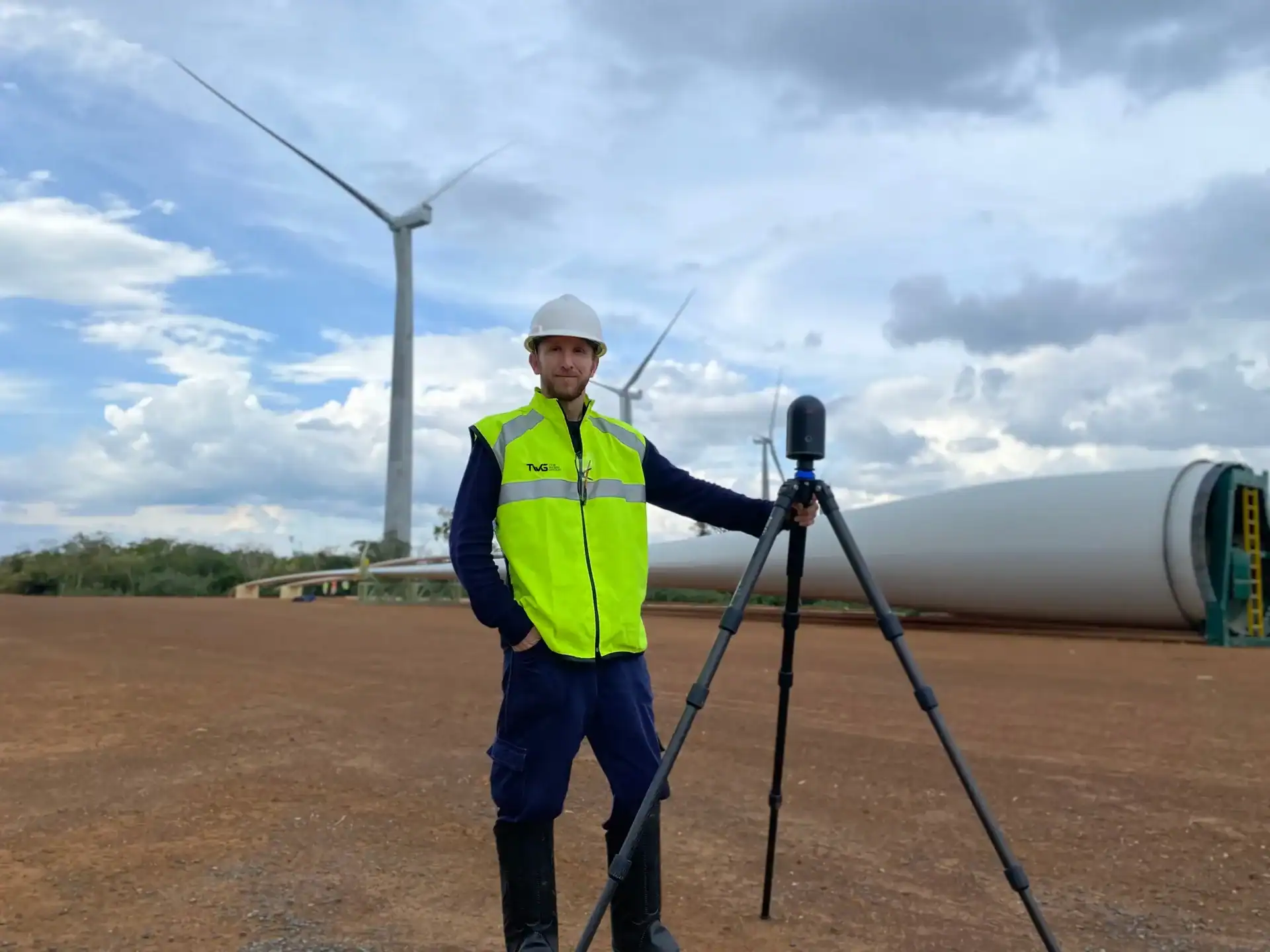
- On-Site Scanning — First, we strategically position the laser scanner around the site to capture complete coverage from every angle.
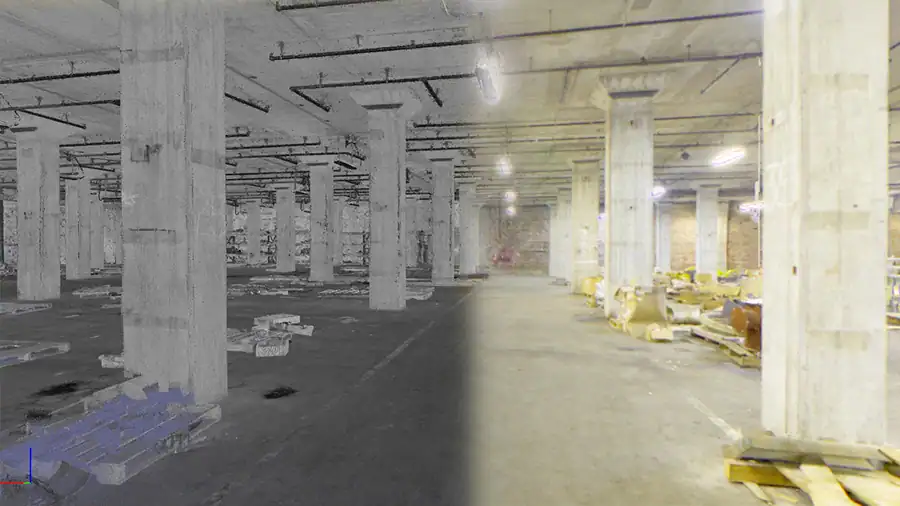
- Point Cloud Generation — Next, the scanner collects millions of X, Y, and Z coordinates from visible surfaces, forming a detailed digital record of existing conditions.
- Scan Registration — Multiple scans are then aligned and merged into a single cohesive model using high-precision software.
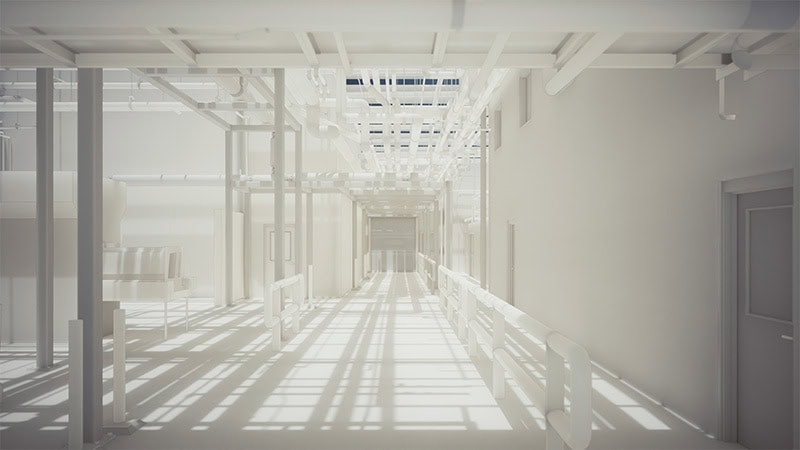
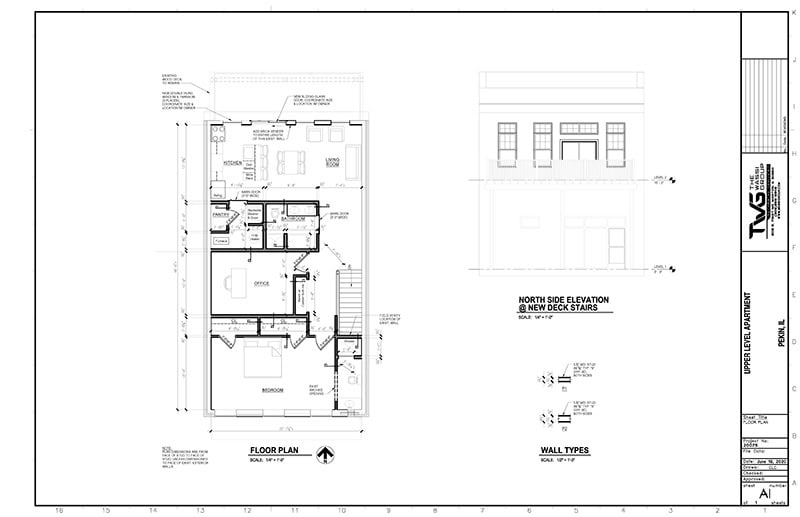
- Modeling & Deliverables — Finally, we convert the data into high-precision 2D CAD drawings, 3D Revit models, or as-built floor plans tailored to your project.
Benefits of 3D Laser Scanning for Construction
✔ Accurate Existing Conditions Documentation
Capture current site conditions with precision — before demolition, renovation, or design begins.
✔ Reduce Rework & Avoid Costly Delays
Verifying measurements early helps catch inconsistencies and minimize mid-project surprises.
✔ Streamlined BIM & CAD Integration
Point cloud data imports directly into platforms like Revit and AutoCAD, keeping your workflow moving.
✔ Faster, Safer Site Surveys
Instead of manual measuring, laser scanning reduces field time and keeps your team safer on site.
✔ Support for All Construction Phases
From planning and coordination to clash detection and QA, scanning improves decision-making across your entire workflow.
Why Choose The Wassi Group?
Since 1996, The Wassi Group has been a trusted provider of precision-focused drafting, scanning, and construction documentation. Located in Morton, Illinois, we deliver reliable existing conditions documentation with the latest LiDAR scanning tools and nearly 30 years of industry expertise. In addition, our team brings genuine familiarity with the buildings and project types common throughout Central Illinois.
Whether you’re an architect needing accurate base plans or a contractor looking to prevent costly field errors, our 3D laser scanning services give your team a foundation they can actually build from.
Ready to Eliminate Uncertainty?
Let’s get your next project started on solid ground. Learn more about how TWG approaches 3D laser scanning — or contact our team directly to talk through your project.
FAQ: 3D Laser Scanning for Construction
Q: What is 3D laser scanning used for in construction?
A: It captures existing site conditions with precision, producing documentation that supports as-built drawings, renovation planning, clash detection, and BIM modeling.
Q: How accurate is 3D scanning?
A: Our laser scanning services deliver measurements with high-level precision, ideal for architectural and engineering use.
Q: Can 3D scans be converted into CAD or BIM models?
A: Yes. We provide 2D CAD drawings, 3D Revit models, and clean point cloud files in the formats your team actually uses.
Q: How long does the scanning process take?
A: Most projects are completed in a single site visit, with scan data delivered within a few business days depending on project scope.