
If you manage a facility, you already know the feeling. A renovation kicks off on schedule, the budget looks reasonable — and then the surprises start. A wall isn’t where the drawings said it was. A mechanical system conflicts with the new layout. A contractor submits a change order that no one saw coming.
These aren’t freak accidents. They’re predictable — and preventable. The root cause of most construction budget overruns isn’t poor contractor work or bad project management. It’s inaccurate or outdated building documentation.
Where Budgets Actually Break Down
Most facility managers inherit drawings that multiple firms produced over decades — updated inconsistently, or never revised after construction wrapped. When a new project begins, teams hand those drawings to an architect or contractor as the baseline for planning.
The problem? Buildings change. Walls move. Systems get added. Dimensions get approximated. When teams plan from inaccurate documentation, the consequences compound fast:
- Field conditions don’t match the drawings, forcing costly mid-project rework
- Mechanical, electrical, and structural systems conflict — discovered only after demolition begins
- Change orders stack up, each one eroding the original budget
- Timelines extend, driving up labor and carrying costs
None of this is inevitable. It’s the result of starting a project without a reliable foundation.
What Accurate Documentation Does for Your Project
Commissioning accurate existing conditions documentation before a project begins isn’t just paying for drawings — it’s buying certainty. Design teams work from verified measurements. Contractors bid from real conditions. Conflicts get identified before they become change orders.
That certainty has a direct dollar value. A single avoided change order on a commercial renovation can easily offset the entire cost of pre-project documentation. In industrial or large-scale facility work, the savings multiply quickly.
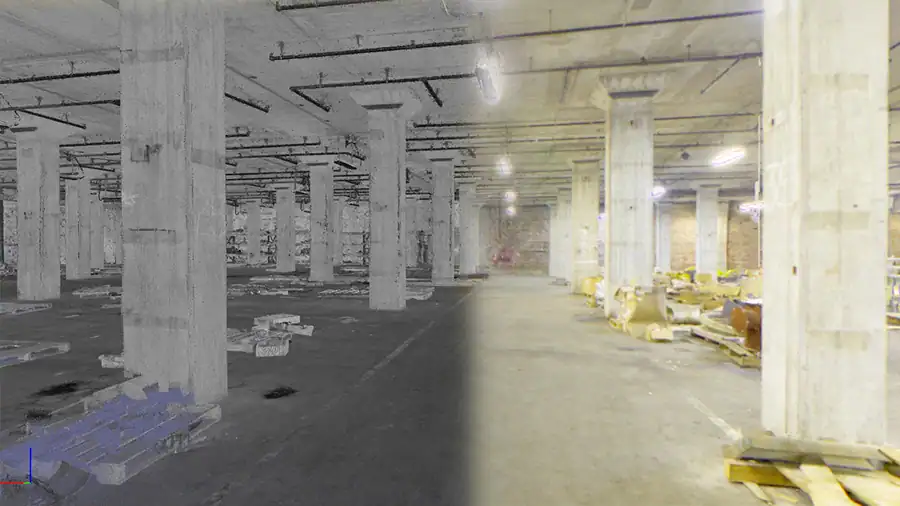
Modern 3D laser scanning takes this further. Rather than relying on manual measurements or outdated blueprints, a laser scan captures the actual state of a building with high accuracy — in a fraction of the time traditional methods require.
Real-World Application: Planning Before Committing
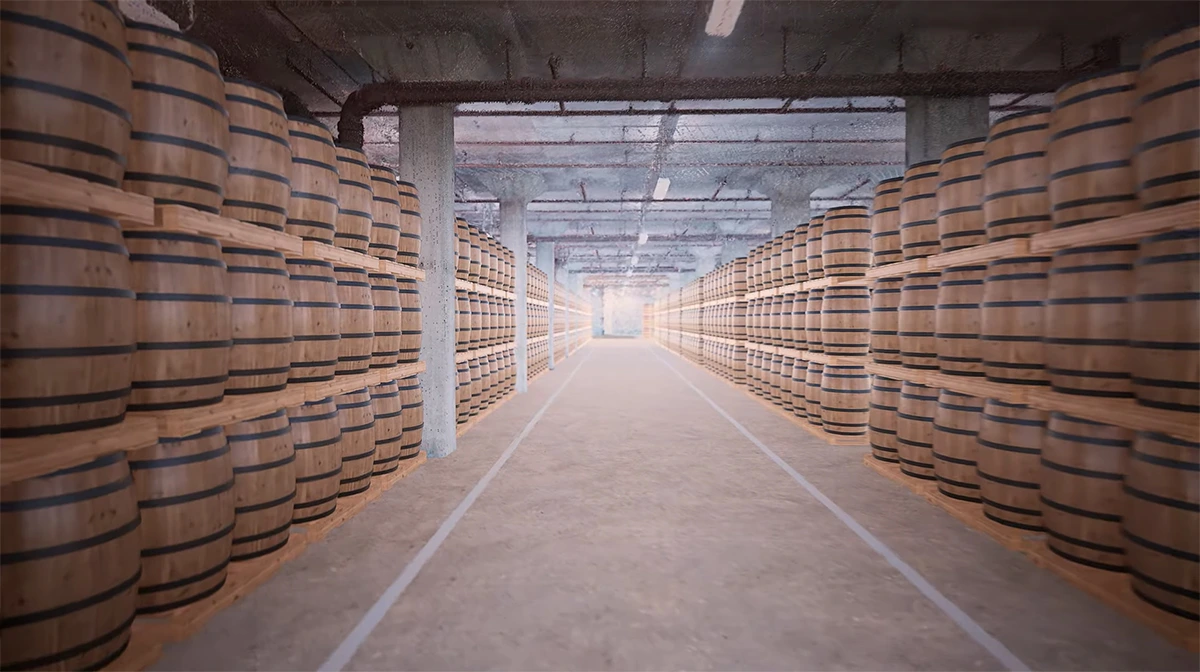
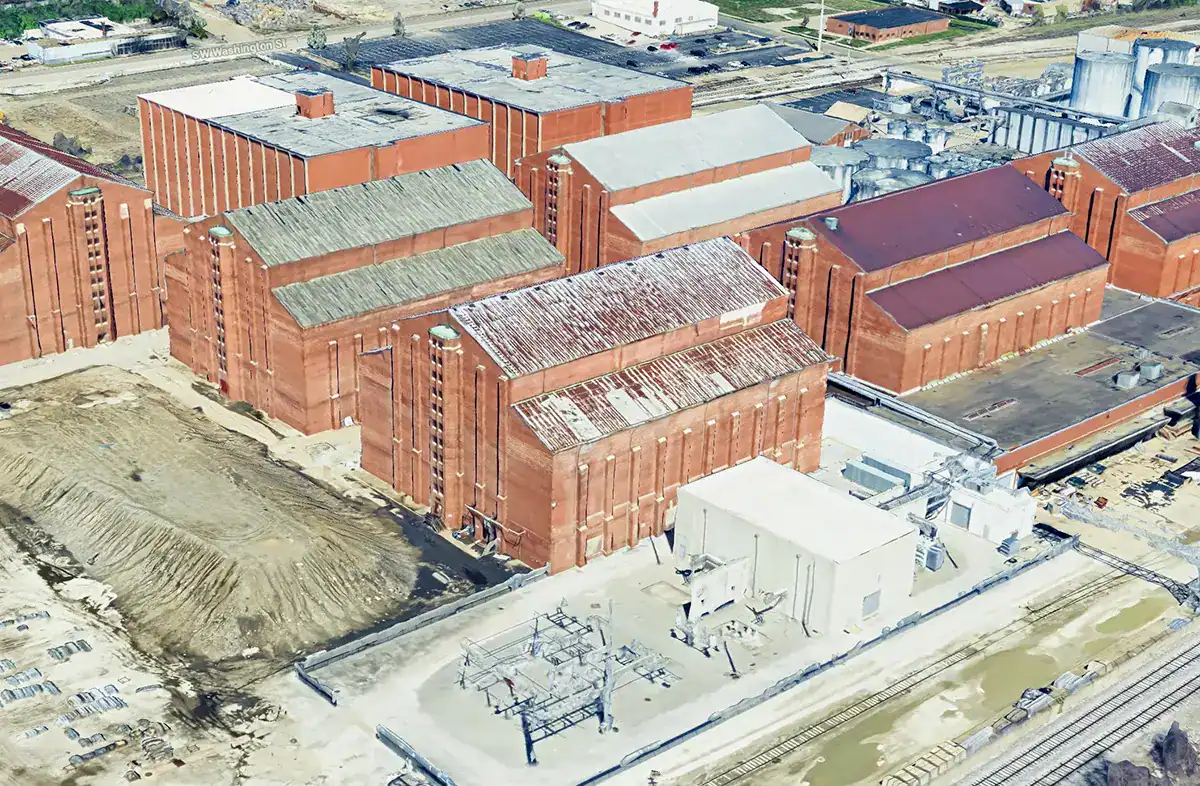
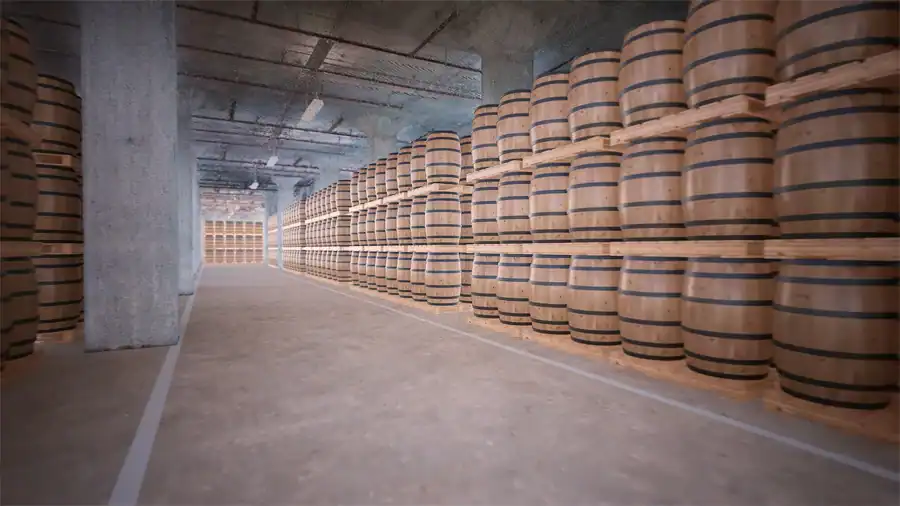
BioUrja needed to determine the maximum whiskey barrel storage capacity of an existing warehouse — before committing to a plan or presenting it to stakeholders. Rather than estimating from rough measurements, they brought in TWG to capture the true existing conditions of the space.
What TWG Did
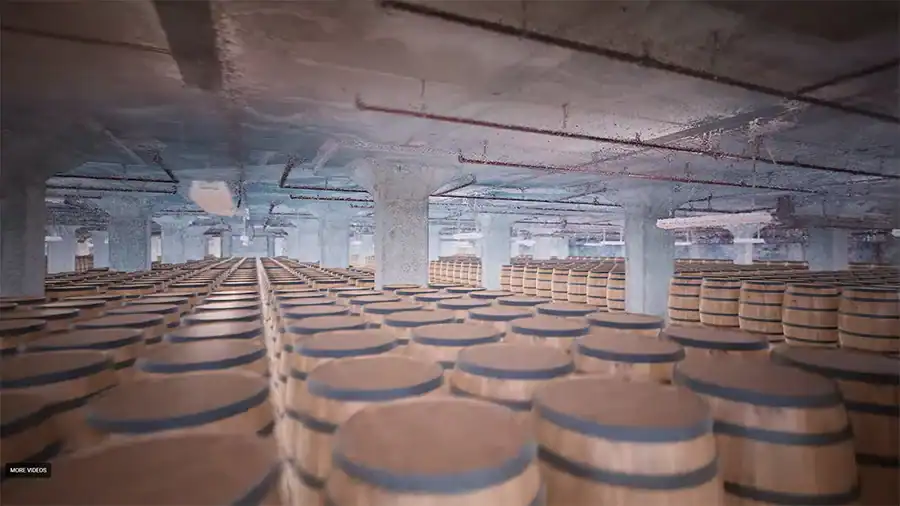
- 3D Laser Scan (Leica RTC360): Captured a precise point cloud of the warehouse — every wall, column, beam, and floor condition documented with accuracy.
- Revit Modeling: Transformed the scan data into a detailed digital model for layout simulation.
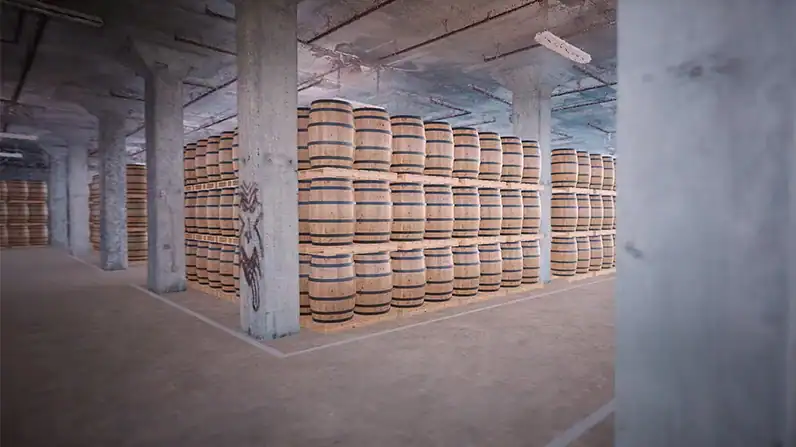
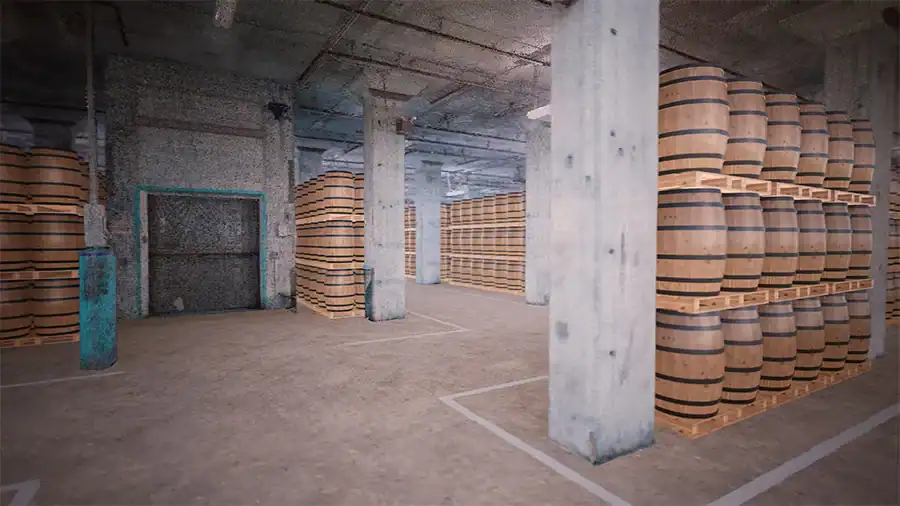
- Storage Simulation: Calculated the maximum number of barrels and pallets the space could accommodate under real conditions.
- Twinmotion Renderings: Produced photorealistic visuals and video so BioUrja could present the plan clearly to decision-makers.
The Outcome
BioUrja received an exact capacity analysis grounded in the actual dimensions of their facility — not estimates. Stakeholders could see the storage layout visually before a single barrel moved. Planning decisions came from a place of confidence, and costly mid-project adjustments never entered the picture.
That’s the value of accurate documentation. It doesn’t just describe the problem — it removes it from the equation.

Before Your Next Project: A Quick Checklist
- Audit your existing drawings. When did someone last update them? Do they reflect current conditions?
- Get existing conditions documentation before design begins. Give your architect and contractor a reliable starting point.
- Consider laser scanning for complex or large spaces. It’s faster than field measurement, and you can reuse the data for future projects.
- Treat documentation as risk management — not overhead. It almost always costs less than a single unplanned change order.
The Bottom Line
Construction projects don’t go over budget because contractors make mistakes. They go over budget because teams make decisions without accurate information. When the drawings are wrong, the plan is wrong — and when the plan is wrong, someone pays for it.
Accurate existing conditions documentation gives every member of your project team a reliable foundation. It reduces surprises, cuts change orders, and lets you move forward with a plan you can trust.
Need Accurate Building Documentation Before Your Next Project?
The Wassi Group specializes in 3D laser scanning, existing conditions documentation, and coordinated digital modeling for facility managers, contractors, and architects across Central Illinois. We help you plan with confidence — before construction begins.